NIGERIA'S DEBT TO WORLD BANK ROSE BY $2.08BN IN 2025 UNDER TINUBU GOVT
 Dons eze
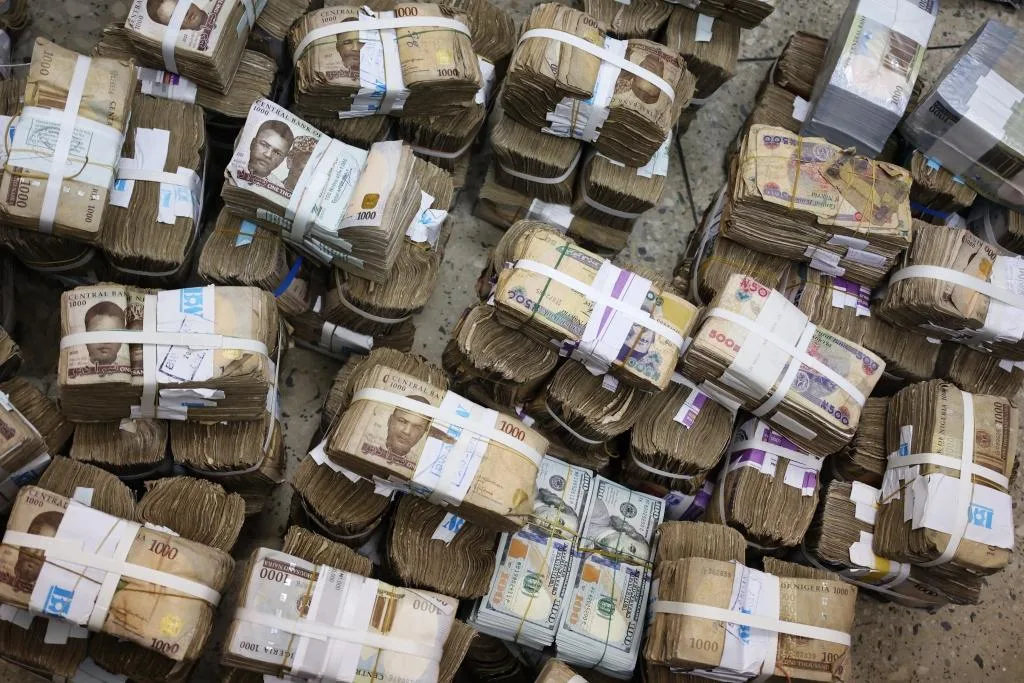
Nigeria’s debt to the World Bank rose by $2.08billion in one year to $19.89billion as of December 31, 2025, according to an analysis of external debt stock data released by the Debt Management Office (DMO).
The figure represents an 11.7 per cent increase from the $17.81bn owed to the global lender as of December 31, 2024.
The World Bank debt comprises loans from the International Development Association and the International Bank for Reconstruction and Development.
IDA provides concessional grants and loans to low-income countries, while IBRD provides financial products and policy advice mainly to middle-income and creditworthy developing countries.
DMO data showed that Nigeria’s IDA debt rose from $16.56bn in 2024 to $18.51bn in 2025, an increase of $1.94bn or 11.73 per cent.
IBRD exposure also increased from $1.24bn to $1.38bn, representing an increase of $141.84m or 11.41 per cent.
The increase means World Bank loans accounted for 38.36 per cent of Nigeria’s total external debt stock of $51.86bn as of the end of 2025.
This was slightly lower than the 38.90 per cent share recorded in 2024, when total external debt stood at $45.78bn.
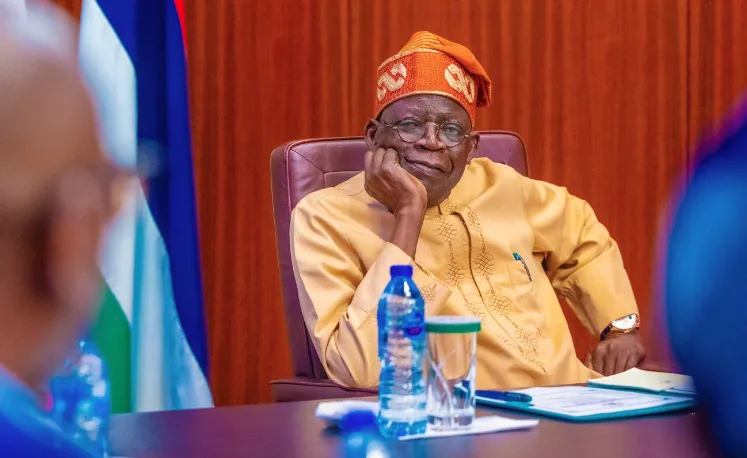
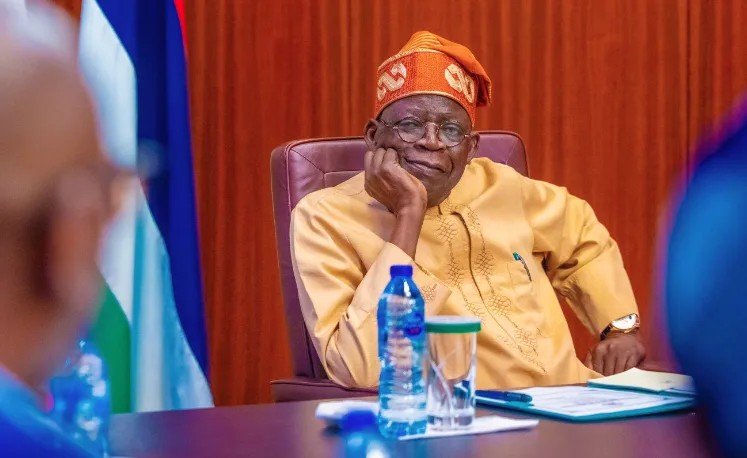
Meanwhile, President Bola Tinubu had openly defended his administration’s borrowing spree, declaring that taking loans is nothing to be ashamed of despite Nigeria’s ballooning debt burden and worsening economic hardship.
In a video currently circulating online, Tinubu had said, “If we have to borrow money, we will borrow. Borrowing money is not leprosy. We just have to work hard to give to people.”
The remark comes amid nationwide backlash from critics who argue that Nigeria is already sinking under a crushing debt load, with millions of citizens battling inflation, unemployment, and soaring living costs.
Since Tinubu assumed office on May 29, 2023, his government has approved and pursued multiple local and foreign borrowings running into tens of billions of dollars.
In June 2024, the World Bank approved a $2.25 billion loan request by the Tinubu-led Nigerian government to support economic reforms, revenue mobilisation, and assistance for vulnerable citizens affected by subsidy removal and naira devaluation.
In July 2025, Nigeria’s Senate approved Tinubu’s external borrowing plan worth over $21 billion, alongside €4 billion, ¥15 billion, a $65 million grant, and an additional $2 billion domestic foreign-currency instrument.
The government said the funds would go into infrastructure, healthcare, education, housing, and security.
On Tuesday, the House of Representatives approved President Tinubu’s $516.3 million syndicated loan from Deutsche Bank AG to fund Section 1 (Phase 1A and 1B) of the Sokoto–Badagry Superhighway project. The loan was approved by the Senate on Wednesday.
Official figures show Nigeria’s public debt has risen sharply under the Tinubu administration.
Reports indicate total public debt stood at about ₦97 trillion at the end of 2023 before surging to ₦144.67 trillion by the end of 2024, driven by new borrowings and the naira’s collapse against major currencies.
More recent reports now estimate the country’s total debt has climbed to around ₦159 trillion in 2026, intensifying fears that future generations may be left to shoulder the burden.
Opposition voices and economists have repeatedly warned that the federal government is spending a dangerous portion of its revenues on debt servicing, leaving less money for healthcare, education, electricity, and jobs.
Tinubu, however, appears unbothered by the criticism, insisting that borrowing remains necessary if it is used to fund development.