GOVT KNOWS TERRORISTS, THEIR LOCATIONS — EXPERTS
 Dons eze
The question surfaces after every attack on rural communities, every mass burial, and every report of students or travellers abducted along highways. It echoes in deserted villages where farms have been abandoned and schools shut down out of fear.
For many Nigerians, the issue is simple but deeply disturbing: if authorities know who the terrorists are and where they operate, why are the attacks still happening?
The debate has intensified in recent months following statements from prominent figures who claim that intelligence about terrorist groups already exists.
Claims that government knows the terrorists
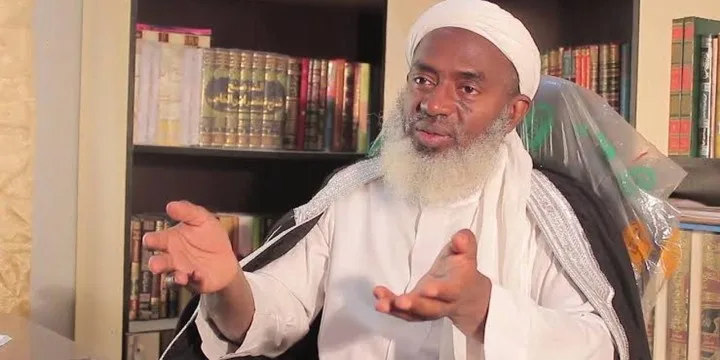
Islamic cleric Abubakar Gumi recently stirred controversy after saying the government knows the identities and locations of armed groups operating across the country.
Speaking in an interview on DRTV, the cleric claimed that authorities were aware of both the names and hideouts of terrorists.
He also said some of his controversial visits to forests to meet bandits were conducted with the knowledge of security agencies.
The claim triggered widespread debate among Nigerians who questioned why armed groups continue to carry out deadly attacks if their locations are already known.
Governors and politicians weigh in
The controversy deepened when Dauda Lawal also suggested that intelligence exists about bandit leaders operating in his state.
In a viral video in 2025, the governor said authorities could track the movements of major bandit leaders in Zamfara.
According to him, the challenge lies in Nigeria’s security command structure, which limits how much state authorities can directly intervene in security operations.
Former Kaduna State governor Nasir El‑Rufai added another controversial claim when he alleged during a television interview that bandits had at some point been paid in attempts to reduce attacks, although he provided no public evidence to support the claim.
Questions about Nigeria’s security strategy
The statements have raised serious concerns about the effectiveness of Nigeria’s counter-terrorism efforts.
If intelligence agencies truly know the locations of these groups, critics ask why attacks on villages, highways and military formations continue.
Security analysts say the answer may lie in deeper structural problems within the country’s security system.
Speaking on Channels Television, intelligence consultant Yahuza Getzo pointed to Nigeria’s complex regional environment, including porous borders with neighbouring countries, as a major factor fueling insecurity.
He also questioned whether security agencies are fully utilising the equipment and intelligence available to them.
According to him, insurgent groups are increasingly targeting government institutions such as customs posts and police facilities in an effort to weaken state authority.
“Reactive” approach to security
Retired United States Army officer Capt. Bishop Johnson said Nigeria’s fight against banditry and terrorism has largely been reactive rather than strategic.
He argued that porous borders, illegal mining activities and the economic incentives behind kidnappings have created a thriving criminal economy.
Johnson also suggested that intelligence gathered by individuals who have interacted with bandits could potentially be useful in dismantling their networks.
Sleeper cells and hidden networks
However, security expert Dr Tony Ofoyetan believes the situation is more complicated than simply identifying where terrorists are located.
According to him, many terrorist networks operate through sleeper cells embedded within communities.
He explained that these networks often include financiers, informants and sympathisers who may spend years blending into society while quietly gathering information about communities and potential targets.
By the time an attack occurs, he said, the groundwork has already been laid.
Ofoyetan also warned that some influential individuals may indirectly shield terrorist networks, either through political alliances or financial relationships.
Concerns from within the military
Retired naval officer Dickson Olisemelor also raised concerns about the apparent ease with which armed groups sometimes move across parts of the country.
He referenced incidents where large groups of armed men reportedly travelled openly on motorcycles before carrying out kidnappings.
According to him, such developments raise serious questions about intelligence use and operational response.
Some serving security personnel, speaking anonymously, also expressed concerns about intelligence leaks and operational challenges within the system.
A lingering national question
Despite military operations across several regions, attacks on communities, highways and security formations continue to occur.
For many Nigerians, the issue has become both a security crisis and a national mystery.
Families in vulnerable communities continue to live in fear, farmers hesitate to return to their fields, and travellers move along highways uncertain of what may happen next.
And the same haunting question remains: if the terrorists are known and their locations identified, why does the violence continue?