
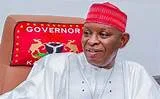
The unfolding drama in Kano State over the attempted impeachment of Deputy Governor Aminu Abdussalam Gwarzo once again exposes a troubling pattern in Nigeria’s political culture where allegations of corruption are weaponised, not for accountability, but for expediency.
It is curious, and indeed telling, that during periods of political harmony, public officials are seldom accused of financial impropriety. Yet, the moment relationships fracture often along party lines, a litany of allegations suddenly emerges. In this instance, the Kano State House of Assembly, in issuing a notice of impeachment, reeled out claims of financial malfeasance against the deputy governor. The timing raises more questions than it answers.
The allegations themselves are weighty. Lawmakers accused the deputy governor of receiving kickbacks from the 44 local government councils during his tenure as Commissioner for Local Government. Specifically, he was alleged to have collected about ₦1.5 million monthly from each council between June 2023 and January 2024, amounting to roughly ₦462 million.
Further claims state that between February and July 2024, he received additional funds estimated at ₦726 million under the guise of executing “special assignments” for the councils.
Beyond this, the Assembly alleged that he facilitated the release of about ₦440 million from local government funds to a private firm, Novomed Pharmaceuticals Limited, in violation of procurement and fiscal regulations.
Collectively, these accusations of kickbacks, diversion of public funds, abuse of office, and breach of public trust form the backbone of the impeachment notice. Yet, their sudden emergence only after political disagreements reinforces the perception of selective accountability.
If these allegations are credible, why were they not formally presented to agencies such as the Economic and Financial Crimes Commission or ICPC for investigation and possible prosecution? The pattern suggests that such claims are often warehoused, preserved as political leverage for moments of dissent.
More troubling is the constitutional contradiction embedded in the accusations. The deputy governor, by virtue of overseeing the Ministry for Local Government, operated within delegated authority. He was not acting as governor within the meaning of constitutional provisions. Consequently, any actions taken within that framework inevitably raise the issue of vicarious liability on the part of the governor.
Equally concerning is the judicial dimension. The refusal of the Federal High Court sitting in Kano to grant interim relief leaves the deputy governor exposed. An ex parte order typically lasting 7 to 14 days is designed to preserve the status quo. Denying such protection creates a dangerous opening for irreversible political action while the matter is still before the court.
Ultimately, the Kano episode reflects a deeper institutional weakness: impeachment is increasingly deployed as a political tool rather than a constitutional safeguard. Until allegations of corruption are pursued through independent and credible legal channels, rather than selective legislative action, Nigeria’s democracy risks being reduced to a contest of power, not a system governed by law.


Leave a Reply