
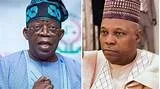
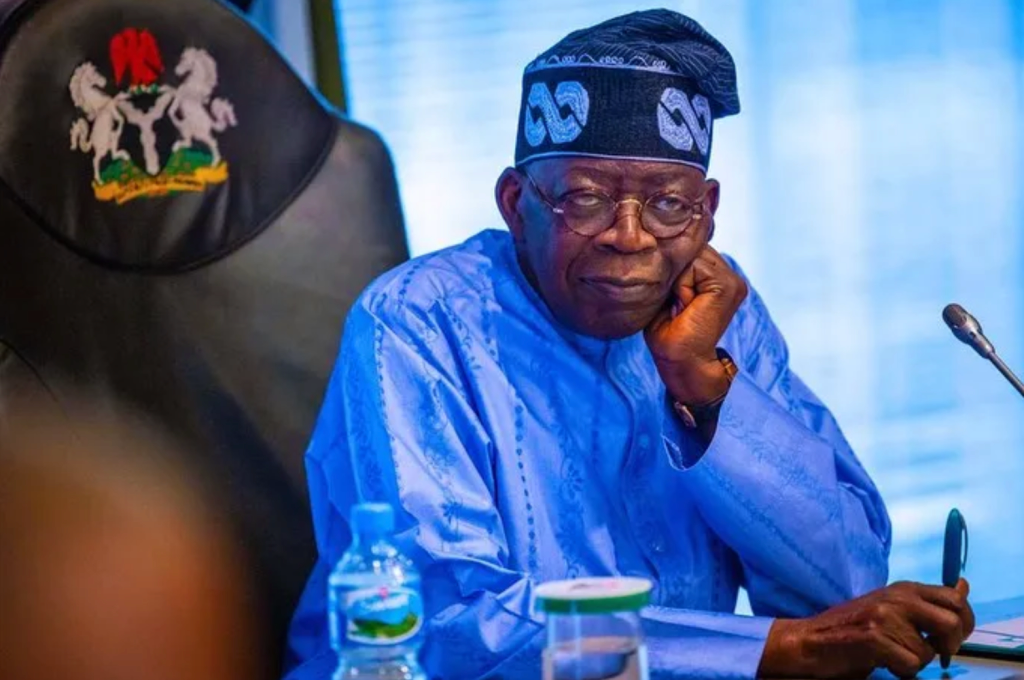
As Nigeria inches toward the 2027 elections, the political climate is becoming increasingly charged, with signs of deepening mistrust between the ruling establishment and opposition forces. At the center of this unfolding drama is President Tinubu, whose actions, critics argue, suggest a growing unease about the certainty of electoral victory.
Across the political landscape, opposition figures perceive a pattern: every move deemed capable of strengthening dissent is met with swift, and at times, heavy-handed responses. This has raised concerns about the shrinking space for political competition in what is expected to be a defining election cycle.
The early signals, according to this line of argument, emerged with the treatment of Aminu Waziri Tambuwal. Though the matter appeared to lose momentum, its initial intensity left an impression that it could be revived when politically expedient. To many observers, it served as a warning shot an indication that opposition voices could face institutional pressure at critical moments.
More striking was the attempted arrest of Nasir El-Rufai at the Nnamdi Azikiwe Airport, an effort that reportedly failed but amplified tensions. This was followed by multiple invitations from key security and anti-corruption agencies EFCC, DSS, and ICPC. The resulting charges, some critics contend, appear minor or civil in nature, raising questions about intent, especially in the context of wide publicity accorded allegations not filed in court.
A similar pattern is alleged in the case of Malami, who reportedly faced a notice of forfeiture shortly after hosting a leading opposition figure. The timing, for many, reinforced suspicions of politically motivated actions designed to weaken alliances and discourage open association with opposition leaders.
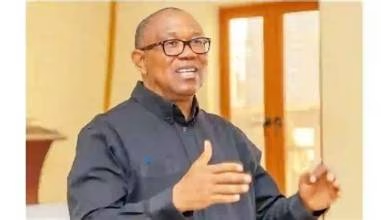
Equally troubling to critics was the reported arrest of Sheikh Tijjani Ahmad Umar following a visit by Peter Obi. This incident is cited as an example of how non-political actors could be drawn into the widening net of political tension.
Taken together, these developments are interpreted by opposition voices as evidence of a strategy aimed at subduing dissent and fragmenting viable political alternatives ahead of 2027. The judiciary, in particular, is accused of being increasingly weaponized not merely as an arbiter of disputes but as a tool to neutralize political threats.
Such perceptions, whether fully grounded or not, carry significant implications. Democracy thrives on credible competition, institutional neutrality, and the assurance that power can change hands through the ballot. When these pillars appear weakened, the risk is not just political instability but a broader erosion of public trust.
This course raises a troubling question,if the current govt is confident in its performance, why the apparent need for coercive measures? The reliance on state power, rather than popular support, may reflect deeper anxieties about electoral outcomes.
The growing defections of politicians such as lawmakers and governors, to the ruling party and the use of financial inducements are rather appalling. The London open cash incentives have cast the nation in a bad light with the global community and do not portray real support.
As the nation approaches another electoral milestone, the stakes could not be higher. The emerging narrative of “city boys vs village boys” a metaphor for what happened in Owerri shows elite dominion versus grassroots resistance as a definition of the contours of the contest.
Yet, amid the tension, one hope endures, that Nigeria will navigate this turbulent path without sacrificing democratic principles. The true test will be not just holding elections, but ensuring they are free, fair, and credible.
The road to 2027 must be defined not by fear or coercion, but by dialogue and fairness. The onus rests on govt, opposition, and citizens alike to ensure the outcome reflects genuine choice, not coronation.

Leave a Reply