 Premium News
When the lights go out across Nigeria, they don’t just flicker — they disappear.
From Lagos to Kano, businesses shut down mid-transaction. Hospitals scramble for generators. Students read under rechargeable lamps.
Entire neighbourhoods sink into darkness without warning.
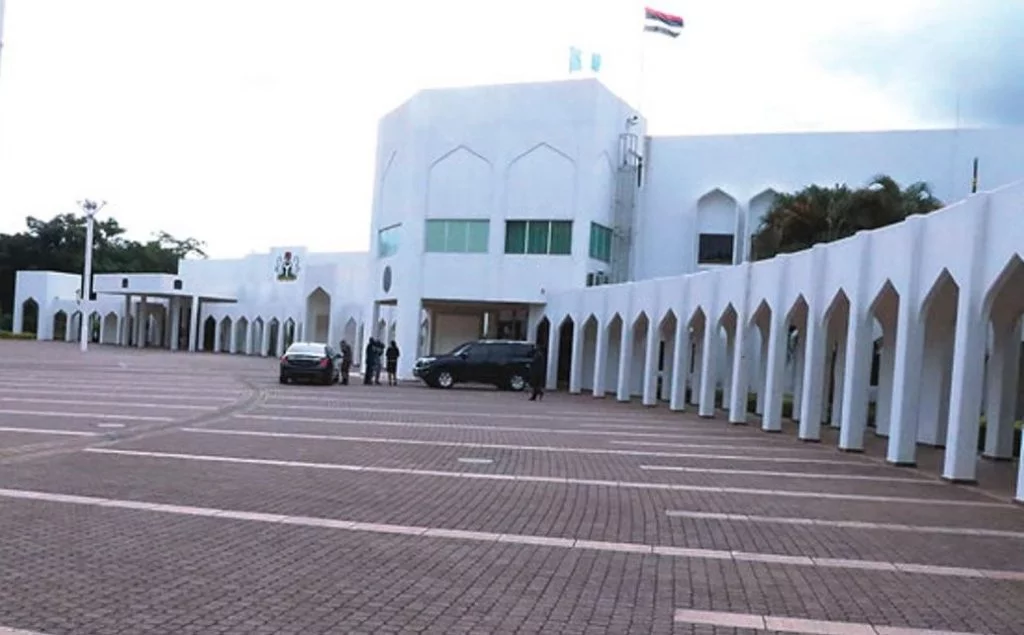
And now, in the middle of this national blackout culture, the Federal Government has decided that Aso Rock — the seat of power — will permanently disconnect from the national grid and run on solar energy.
By March 2026, the Presidential Villa is expected to go fully off-grid.
On paper, it sounds progressive. Renewable energy. Sustainability. Cost-cutting. Modern governance.
But beneath the polished press statements lies a question many Nigerians are whispering — and some are shouting: Is this visionary leadership… or quiet abandonment?
