 Premium News
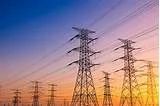
Someone complained on X that there had been no power in Ikorodu since it rained, and a social media handle called Nigerian National Grid explained the reason why power goes off anytime it rains. At least in Nigeria. I don’t know how it is in other countries
THIS IS FOR SAFETY.
When heavy rain is coming, DisCos sometimes switch off supply on purpose. Water and live electricity don’t mix. If rain gets into weak connections, leaking transformers, or exposed wires, it can cause sparks, fires, or even electrocution. It’s usually better to take the power off briefly than risk lives or damage that could keep an area in darkness for days.
Another issue is the network itself. Most power lines in Nigeria are overhead, hanging on poles across streets and neighbourhoods, and a lot of them are old. When it rains, water finds its way into cracked insulators, rusty joints, or damaged cables. Once that happens, the system automatically trips to prevent something bigger, like a transformer blowing or a substation going down.
Rain also comes with wind and lightning. Lightning can send a strong surge into the lines, while wind can bring down branches or make wires clash. When that happens, the system cuts supply to protect itself.
Source
Another reacted: “Some people still sometimes have light even inside heavy rain, so how about that?”
Power isn’t usually switched off everywhere at once when it rains.
The grid is broken into feeders and zones. Some areas are taken off supply because they’re more exposed or already have known faults, while others stay on.
Also, if the rain isn’t causing faults on a particular feeder and there are no risk factors, there may be no reason to shut it down.
↓
