 Premium News
Trillions Spent, Hunger Remains: Reps Probe Nigeria’s Missing Agricultural Gains
Speaker of the House of Representatives, Tajudeen Abbas, has raised alarm over Nigeria’s worsening food insecurity despite trillions of naira poured into agricultural interventions over the last decade.
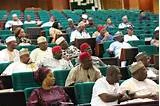
Abbas made the remarks through Ibrahim Isiaka, Deputy Chief Whip of the House, on Tuesday in Abuja during an investigative hearing reviewing agricultural subsidies, intervention funds, grants and aid programmes from 2015 to 2025.
The hearing, conducted by an ad hoc House committee, is examining how massive public funds allocated to boost agricultural productivity were managed and whether they delivered real impact.
“There can be no national security without food security,” Abbas said. “Any nation that cannot feed its people cannot guarantee peace, stability or sustainable development.”
He noted that successive governments, working through the Federal Government, the Central Bank of Nigeria (CBN) and development partners, committed several trillions of naira to agriculture with the aim of increasing productivity, creating jobs, stabilising food prices and reducing import dependence.
“Yet, it is deeply troubling that despite this huge investment, the results are largely invisible,” Abbas said. “Food prices keep rising, food insecurity persists, rural poverty remains widespread, and Nigeria is still heavily dependent on food imports.”
According to the speaker, the growing gap between massive spending and weak outcomes made the House investigation unavoidable.
He stressed that the probe is neither politically motivated nor targeted at any individual or institution, but a constitutional duty to assess how these programmes were implemented and whether their objectives were achieved or undermined.
Abbas also warned ministries, departments and agencies (MDAs) against ignoring the committee’s summons, citing Sections 88 and 89 of the 1999 Constitution. He said the House would not hesitate to issue sanctions or arrest warrants against officials who refuse to appear, withhold documents or provide misleading information.
Earlier, committee chairman Jamo Aminu listed several intervention programmes under review, including the Anchor Borrowers’ Programme (ABP), Accelerated Agricultural Development Scheme (AADS), AGSMEIS, Mechanisation Acquisition Scheme (MAS), National Food Security Programme (NFSP), and others.
Aminu said rising food prices, unemployment and economic hardship have intensified public concern, adding that Nigerians deserve clear accountability for every naira spent on agricultural interventions.
