
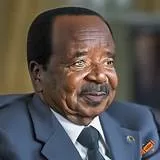
Eight days after Cameroon’s presidential election, the National Vote Counting Commission has announced preliminary results indicating that incumbent President Paul Biya has won re-election with between 53 and 54 percent of the vote, according to a report from Jeune Afrique.
The long-serving leader and candidate of the Cameroon People’s Democratic Movement (CPDM) is said to have secured victory following days of result compilation by the commission.
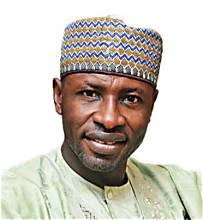
These figures place Biya ahead of his main challenger, Issa Tchiroma Bakary, who has strongly contested the outcome.
Bakary, who ran as an opposition candidate, has presented what he describes as his own tally, suggesting that he actually leads the race with approximately 60 percent of the votes. He has called the official figures “inaccurate” and urged for greater transparency in the counting process.
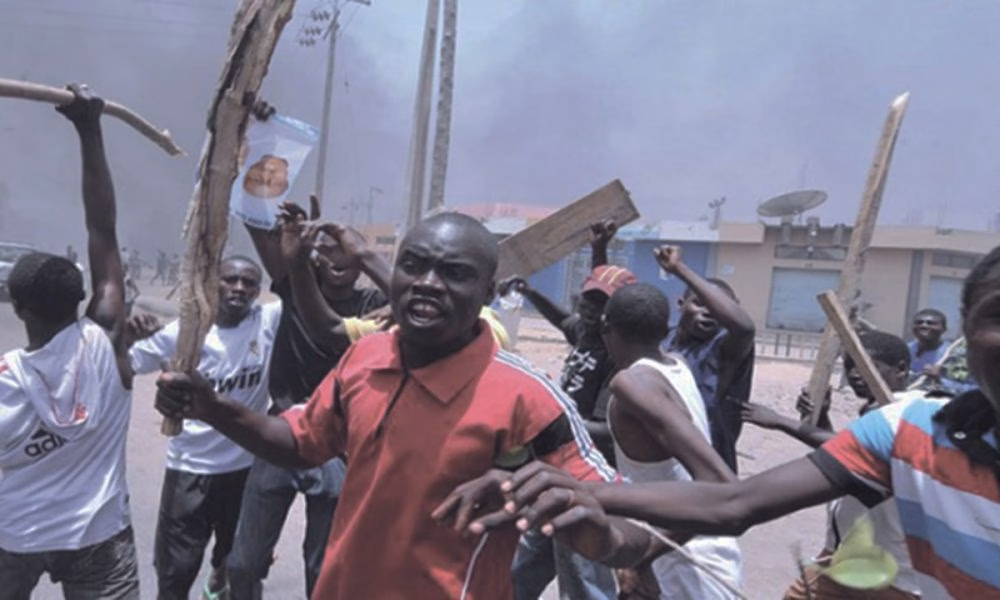
The announcement has stirred political tension in Yaoundé and other major cities, as supporters from both camps await further clarification. The Constitutional Council is expected to confirm or reject the results in the coming days.
If validated, the outcome would extend Paul Biya’s decades-long rule, maintaining his position as one of Africa’s longest-serving leaders. However, with the opposition signaling its refusal to concede, Cameroon may be heading into a period of heightened political uncertainty.
In his reaction, former Nigerian lawmaker and human rights activist, Senator Shehu Sani, in a post shared via his official X handle on Thursday, October 23, 2025, said
“the Cameroonian electoral commission seems to have settled for Paul Biya with 53% votes. If this is finally confirmed on Monday, the opposition leader may have to ‘go to court,’”.
The remark by the former Kaduna Central senator reflects the growing tension surrounding the Cameroonian election, as many citizens and observers question the transparency of the vote-counting process. The poll, which saw a record turnout in several regions, has been marred by allegations of irregularities, intimidation, and restricted opposition access to key media platforms.
If the results are officially confirmed on Monday, President Biya, who has ruled the Central African nation since 1982, will extend his grip on power beyond four decades, cementing his place as one of the world’s longest-serving leaders. His continued leadership has often sparked debates over democracy, governance, and the future of political succession in Cameroon.
Senator Sani’s comment adds a voice of continental concern to the unfolding political scene, highlighting the broader question of leadership transition and electoral credibility across Africa.
As Monday’s official announcement approaches, all eyes remain on Yaoundé, where the final confirmation of Biya’s victory could either consolidate the country’s political continuity or reignite calls for change from a restless opposition.


Leave a Reply