
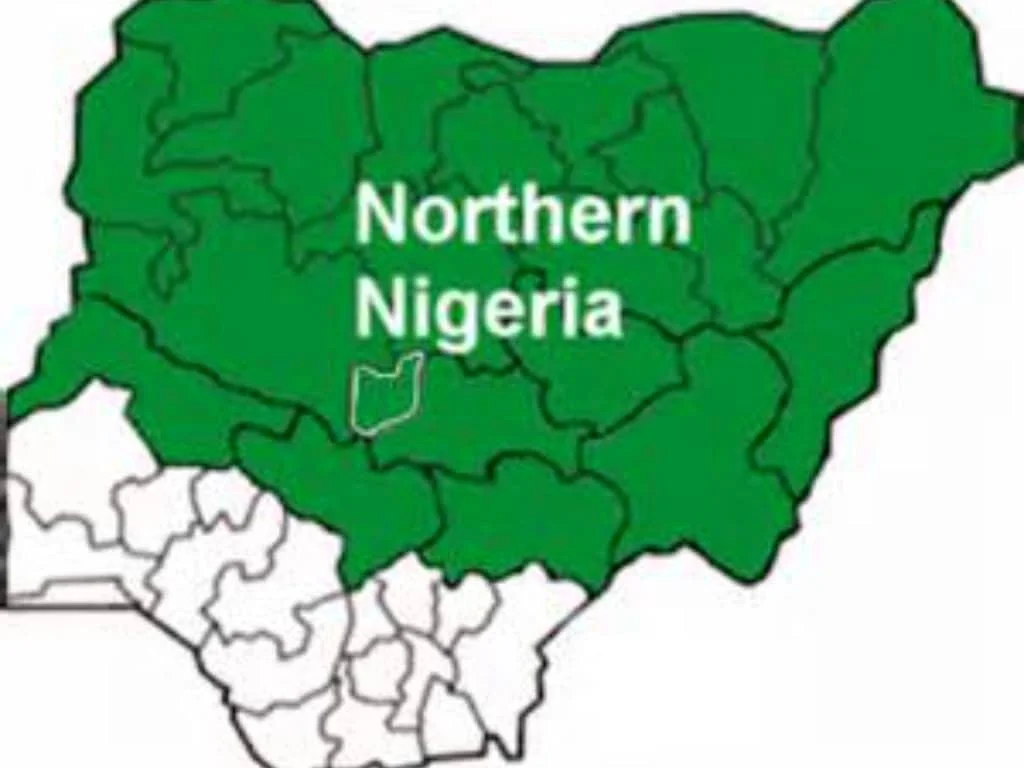
The story of the 2023 presidential election cannot be told without the North. It was central to the emergence of Bola Ahmed Tinubu, not just in votes, but in trust, alliances, and calculated political risk taken by influential Northern actors at critical moments.
Before the primaries, Tinubu’s network in the North was deep and deliberate. He had strong ties with figures like Aliyu Wamakko and Rabiu Musa Kwankwaso, alongside key APC governors such as Abdullahi Umar Ganduje, Nasir El-Rufai, and former Governor Abubakar Badaru. These were not ceremonial relationships – they translated into real political leverage.
At a time when resistance within the ruling party threatened his ambition, these Northern allies stood firm. They backed him through the primaries, even when it meant confronting entrenched interests, or the so-called cabal within the Presidential Villa. Northern governors went as far as meeting late President Muhammadu Buhari to demand clarity on succession. His neutral stance opened the door, and they walked Tinubu through it.
Then came the election season. Policies like the naira redesign, widely seen as an attempt to weaken Tinubu’s chances, were openly resisted by some of these same allies. Their support was not passive – it was active, visible, and costly.
Beyond politics, Tinubu also secured the backing of influential Muslim scholars. The Muslim-Muslim ticket became a rallying point. Clerics framed it as a matter of religious duty and mobilized support, even from the mimbar during Friday prayers.
By the time the votes were counted, the numbers told the story. Tinubu, a Southern candidate, drew the bulk of his strength from the North – 63%, compared to 36% from the South. The North invested in him, and delivered.
But what followed has been a different story.
There is now a growing sense among many of those same Northern allies that the relationship has not translated into inclusive governance. Complaints of exclusion and lack of consultation are widespread. Key figures who helped deliver victory now appear sidelined.
Nasir El-Rufai’s exclusion from the cabinet raised immediate questions. Abdullahi Ganduje was also passed over for executive office, later given the party chairmanship – a role many saw as compensation rather than strategy, and one he eventually exited. Developments involving Abubakar Malami have only deepened perceptions of political distancing and quiet retribution.
Even within government, there are signs of strain. Ministries are underfunded, with allocations falling far below approved budgets. The Minister of Health publicly stated he received just N38 million for capital projects out of a N200 billion proposal. Behind the scenes, some ministers are reportedly funding their roles from personal resources, while others appear better supported. It raises a simple question – what exactly are the priorities?
Religious backing is also shifting. Clerics who once campaigned vigorously are now more critical, especially on issues of trust and fairness. Concerns around INEC and the appointment of a perceived biased umpire have only heightened tensions, with some openly threatening to withdraw support.
A related dimension that is quietly reshaping sentiment in the North is the growing push of what many describe as a “Christian genocide” narrative. While insecurity remains a national crisis, there is increasing resentment in core Northern states where communities have borne some of the heaviest losses over the years. From banditry to insurgency, large swathes of the North have experienced sustained violence affecting predominantly Muslim populations. This has led to a perception that the framing of the crisis is selective and, at times, politically motivated. For many, it raises deeper questions about fairness in national discourse and reinforces a feeling of being misunderstood or deliberately misrepresented
In a region where perception and identity are tightly linked to political behavior, this narrative is gradually eroding goodwill and complicating the president’s standing among groups that once offered him strong support.
Beyond perception, the broader handling of insecurity has also come under serious scrutiny. Expectations were high that a government built on such a strong coalition would move decisively to restore order. Instead, many communities across the North continue to face persistent threats from banditry, kidnappings, and insurgent activity. The response has often appeared reactive rather than strategic, with limited coordination and little visible improvement in outcomes. For a region that invested heavily in Tinubu’s emergence, the inability to significantly curb insecurity has become one of the most tangible measures of disappointment.
On infrastructure, the contrast is hard to ignore. Many in the North point to slow progress on inherited projects and the absence of major new ones, while the South




Leave a Reply