
The United States and Israel launched coordinated attacks on Iran on February 28, 2026, triggering far-reaching geopolitical and economic consequences. The military action, ordered by US President Donald Trump and supported by Israeli Prime Minister Benjamin Netanyahu, disrupted a period of relative calm following a ceasefire in Gaza.
Russia is emerging as one of the biggest beneficiaries. The war has driven global oil and gas prices sharply higher, boosting Moscow’s export revenues and strengthening its capacity to sustain its war in Ukraine. The US decision to temporarily ease sanctions on Russian oil has further improved Russia’s position. Beyond energy, Russia could gain leverage in global fertiliser markets, while the conflict provides Moscow with a propaganda advantage, allowing it to deflect criticism of its invasion of Ukraine by highlighting perceived double standards in international law.
Israel also stands to gain strategically. Continued strikes have weakened Iran’s military infrastructure and reduced the operational capacity of its regional allies, including Hamas and Hezbollah. This could limit future threats to Israel, while offering political benefits to Netanyahu ahead of upcoming elections.
China, though facing short-term economic pressure from rising energy costs, may benefit in the long run. With a diversified energy mix and strong investments in renewables, Beijing is better positioned than many economies to absorb shocks. China could strengthen its global influence by presenting itself as a more stable and predictable partner than the United States. Increased demand for renewable technologies may also boost Chinese exports in sectors such as solar energy and electric vehicles.
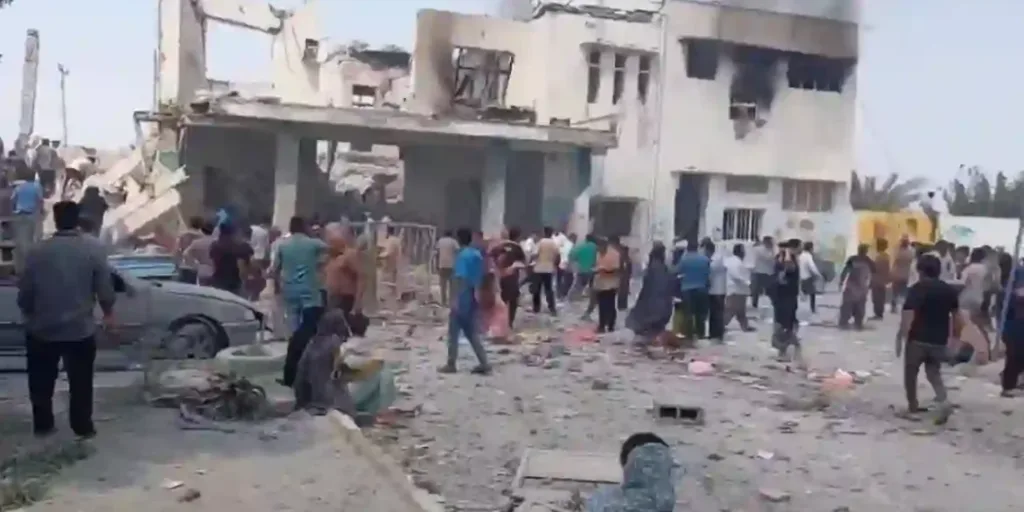
The most immediate victims are the Iranian people. Thousands have reportedly been killed or injured since the conflict began, with civilian infrastructure heavily impacted. The war has compounded existing internal unrest following a deadly crackdown on protests in late 2025 and early 2026. Despite these pressures, Iran’s leadership remains in control. The rise of Mojtaba Khamenei after the death of Ali Khamenei signals continuity in governance, though potentially with a harder stance both domestically and internationally.
Elsewhere in the region, civilians in Lebanon and Palestinian territories are suffering. Israeli operations have caused significant casualties and displacement in Lebanon, while conditions in Gaza and the West Bank continue to deteriorate amid intensified restrictions and military actions. Gulf states, though less affected by direct violence, face severe economic risks. Disruptions in the Strait of Hormuz have forced major oil producers like Saudi Arabia and Iraq to reduce output, threatening global supply chains and national revenues.
Europe is among the hardest hit outside the Middle East. Rising energy prices are adding to economic strain, particularly as the continent remains dependent on global oil and gas markets. The conflict also undermines international legal norms that have long underpinned European security. Ukraine faces heightened vulnerability as US military resources are redirected to the Middle East, leaving its infrastructure exposed to Russian attacks. Türkiye may also feel the impact through reduced tourism and renewed instability linked to Kurdish tensions along its borders.
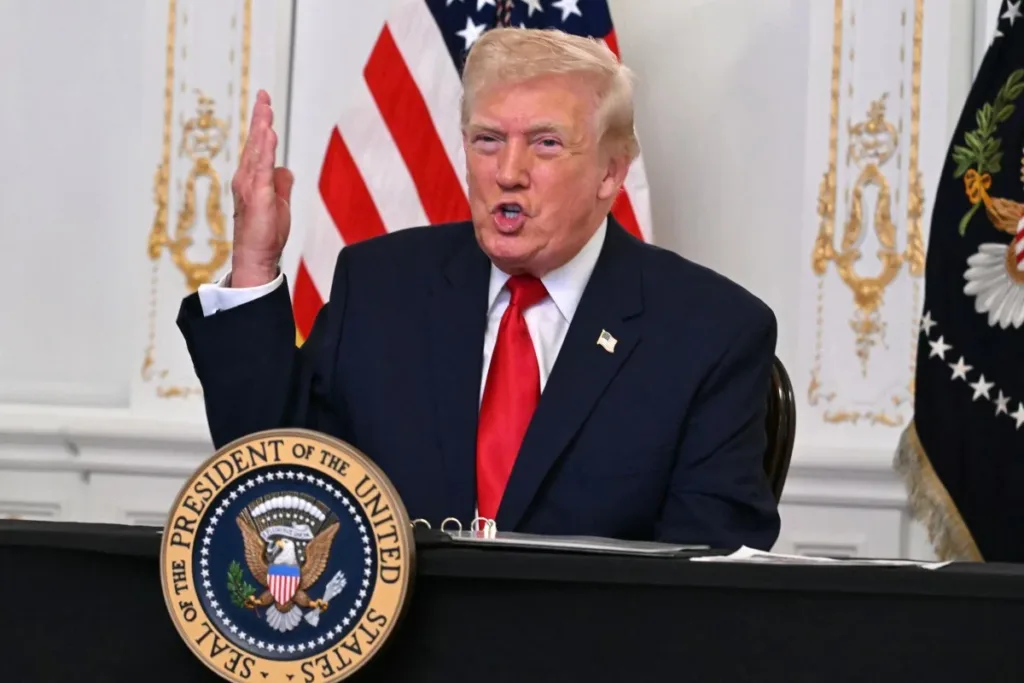
Despite initiating the conflict, the United States itself may ultimately be among the losers. While higher energy prices benefit American producers, they also increase costs for consumers and strain the broader economy. The war has damaged US diplomatic relations, particularly with Gulf allies who were unprepared for the scale of Iran’s retaliation. Trump’s demands for international support in securing the Strait of Hormuz have been met with resistance, further isolating Washington from its traditional partners. The financial cost of the war is mounting rapidly, with billions already spent in its early days.
The conflict highlights a lack of strategic planning, drawing parallels with past US military engagements in Iraq and Afghanistan. Geopolitical rivals such as Russia and China appear poised to gain the most, while US allies in Europe and the Middle East bear significant losses. For Europe, the crisis underscores the urgent need to reduce reliance on fossil fuels and strengthen independent defence capabilities. Ukraine may seek to offset its disadvantages by leveraging its expertise in drone warfare to build alliances with Gulf states.
The war in Iran is reshaping global power dynamics, with consequences extending far beyond the battlefield. While some nations may gain economically or strategically, the overall picture is one of instability, rising costs, and human suffering.


Leave a Reply