
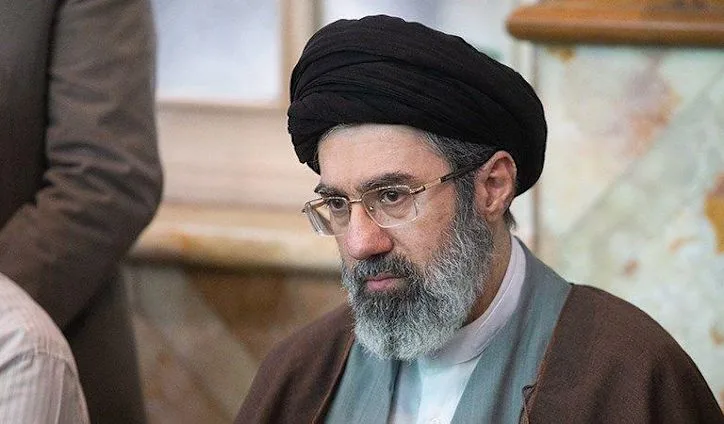
Iran’s powerful clerical establishment has selected Mojtaba Khamenei as the country’s new supreme leader following the death of his father, Ali Khamenei, in a development that could further inflame tensions in the ongoing conflict involving Iran, the United States and Israel.
According to a report by The Guardian, Iranian state media confirmed that members of the clerical body responsible for appointing the country’s highest authority announced Mojtaba Khamenei’s selection on Sunday.
The 56-year-old cleric, who has long operated within the inner circles of power in Tehran, becomes the first supreme leader in the Islamic Republic to inherit the position directly from his father since the Iranian Revolution overthrew monarchical rule.
First Father-to-Son Succession Since 1979
The appointment marks a historic shift in Iran’s political system, raising questions about the emergence of a dynastic structure in a state that was founded specifically to dismantle hereditary rule following the fall of the shah.
Ali Khamenei, who ruled Iran for 37 years, was reportedly killed in a US-Israeli strike on Tehran on February 28, the opening day of the current war involving Iran.
Mojtaba’s elevation, analysts say, could intensify geopolitical tensions, especially after Donald Trump had earlier suggested that such a succession would be unacceptable.
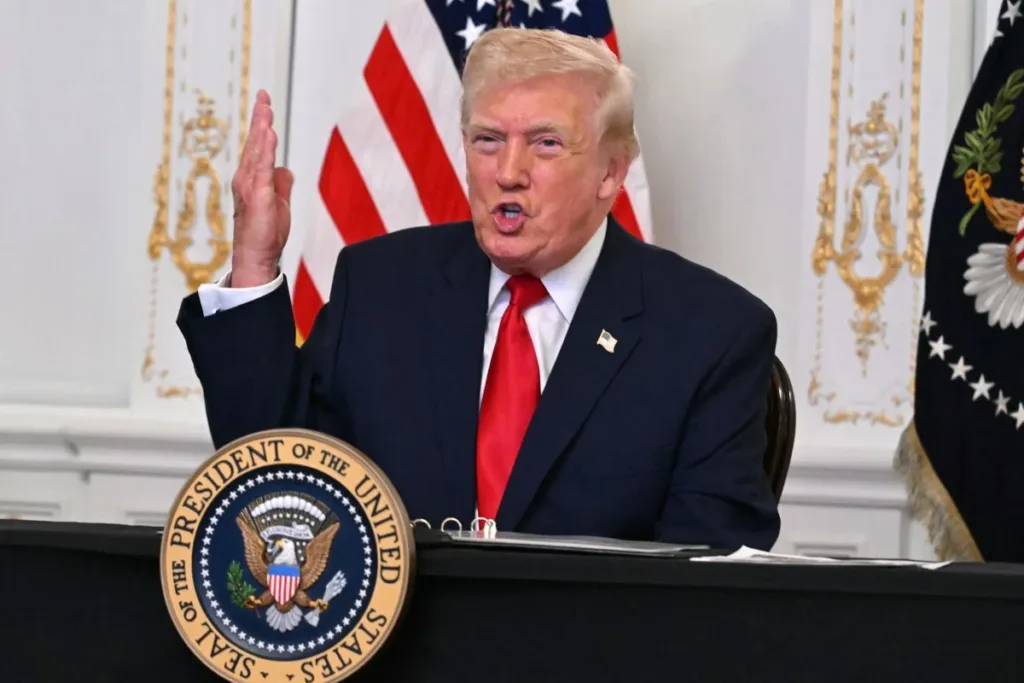
Trump warned on Sunday that Iran’s new leader “is not going to last long” if Tehran failed to obtain Washington’s approval, reiterating that Mojtaba Khamenei was an “unacceptable” choice.
The US president also dismissed the possibility of his leadership taking root without external scrutiny, insisting Washington should have a say in Iran’s future political direction.
Earlier on Sunday, the Israel Defense Forces posted a message in Farsi on social media warning that it would continue targeting anyone involved in appointing a successor to Ali Khamenei.
The statement declared that Israel would pursue “every successor of Ali Khamenei and every person who sought to appoint one.”
A Powerful Figure Behind the Scenes
Despite his deep influence within Iran’s political establishment, Mojtaba Khamenei has never held elected office nor formally occupied a senior position in government.
Born in 1969 in Mashhad, he was raised in the clerical and political environment shaped by the Islamic revolution.
He later studied theology in the seminaries of Qom and reportedly participated during the final stages of the Iran–Iraq War.
Rather than pursue a public political career, Mojtaba gradually built influence inside his father’s office, where he was widely regarded as part of a small inner circle controlling political access to the supreme leader.
Over time, he cultivated close ties with conservative clerics and elements of the Islamic Revolutionary Guard Corps, connections analysts say helped consolidate his standing within the ruling system.
His name entered public controversy during the disputed 2009 Iranian presidential election protests, when reformist figures accused him of supporting the security crackdown that followed mass demonstrations.
Supporters argue that Mojtaba represents continuity with the ideological path established by Ruhollah Khomeini and maintained by his father.
Critics, however, say his rise highlights the growing concentration of power within a narrow political elite and raises fears that Iran could be drifting toward hereditary leadership.
Escalating Regional Tensions
The announcement comes amid intensifying conflict in the Middle East.
Iran has threatened to strike oil facilities in neighbouring states after Israel launched attacks on at least five energy sites in and around Tehran, sending thick black smoke across the capital and raising concerns about disruptions to global energy supplies.
A spokesperson for the Islamic Revolutionary Guard Corps warned on Sunday: “If you can tolerate oil at more than $200 per barrel, continue this game.”
As markets reacted to rising oil prices, the United States attempted to calm global concerns by pledging not to target Iran’s energy infrastructure.
Meanwhile, Iranian strikes reportedly hit several Gulf states on Sunday. Authorities in Saudi Arabia, United Arab Emirates, Qatar, Bahrain, and Kuwait reported attacks.
Saudi Arabia said it intercepted 15 drones, while strikes in Bahrain caused “material damage” to a key desalination plant.
In Al‑Kharj, the Saudi Civil Defense reported that two people were killed and 12 others injured after a projectile struck a residential area.
Analysts say Mojtaba Khamenei’s appointment may be intended to project stability and resolve at a moment when Iran faces mounting military and diplomatic pressure from the West and its regional rivals.


Leave a Reply